
EagerLED الأكاديمية
اختيار معالج فيديو LED لجدار LED معياري

مارس
An LED video processor fits a source image to a display canvas. Selecting one for a modular wall starts with the cabinet drawing: how many pixels wide and high is the assembled screen, and what should happen when a source has a different shape?
1. Specify the picture the processor must deliver
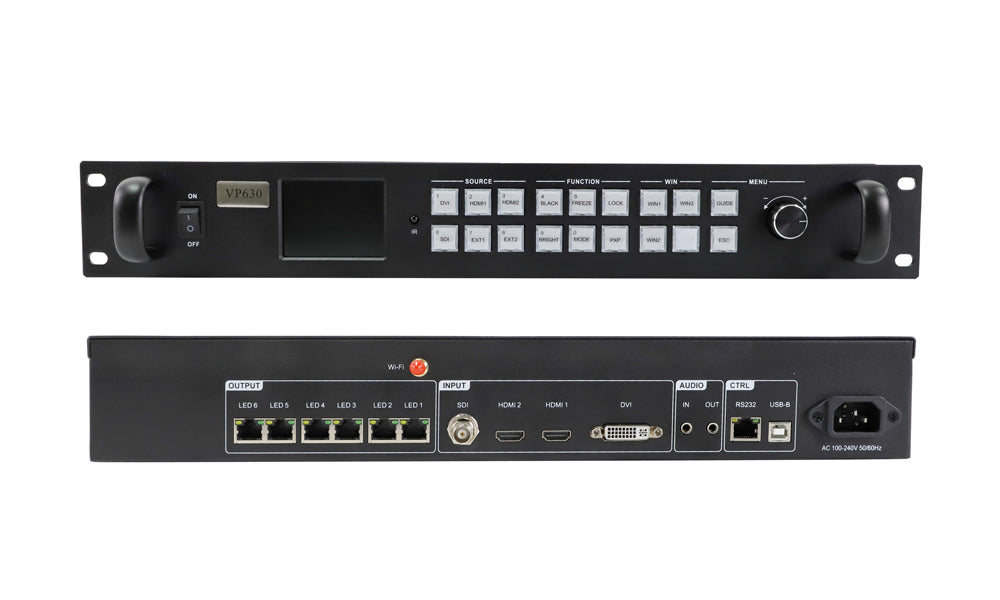
Suppose a panoramic wall is 1920 × 480 pixels and the source is a 1920 × 1080 slide. Keeping the entire slide at its original proportions leaves unused space at the sides. Filling the wall crops the top and bottom unless the artwork is redesigned. Agree on that choice with the content team before treating the result as a processor fault.
List the sources used during the event and which must appear together. A single playback computer has different switching and layering requirements from two cameras and a presentation laptop.
2. Match the processor to the cabinet electronics
| مكون | قرار التوثيق | فحص القبول |
|---|---|---|
| معالج الفيديو | Input timing, output canvas and scaling | Display a labelled grid from the real source |
| إمدادات الطاقة DC | Module voltage and usable current at cabinet temperature | Compare the load schedule with the supply data sheet |
| وحدة الصمام | Pixel pitch, module matrix and receiving-card parameters | Display fine lines across a cabinet seam |
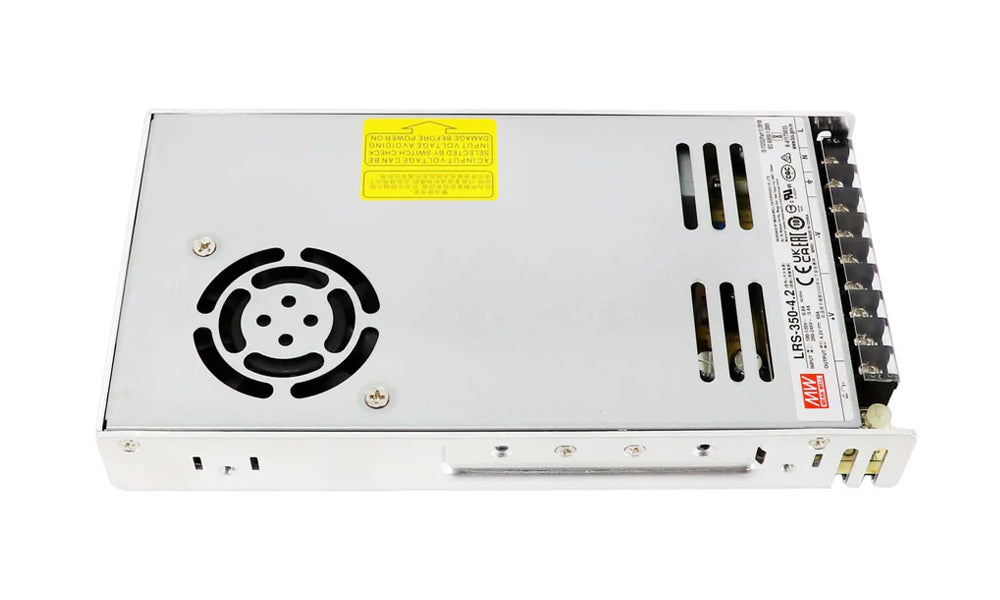
A power supply from MEAN WELL or G-Energy has its own output rating, cooling requirements and mounting dimensions. Use the exact model’s data sheet. Changing a video preset cannot compensate for an undersized DC rail.

3. Check module geometry and service access
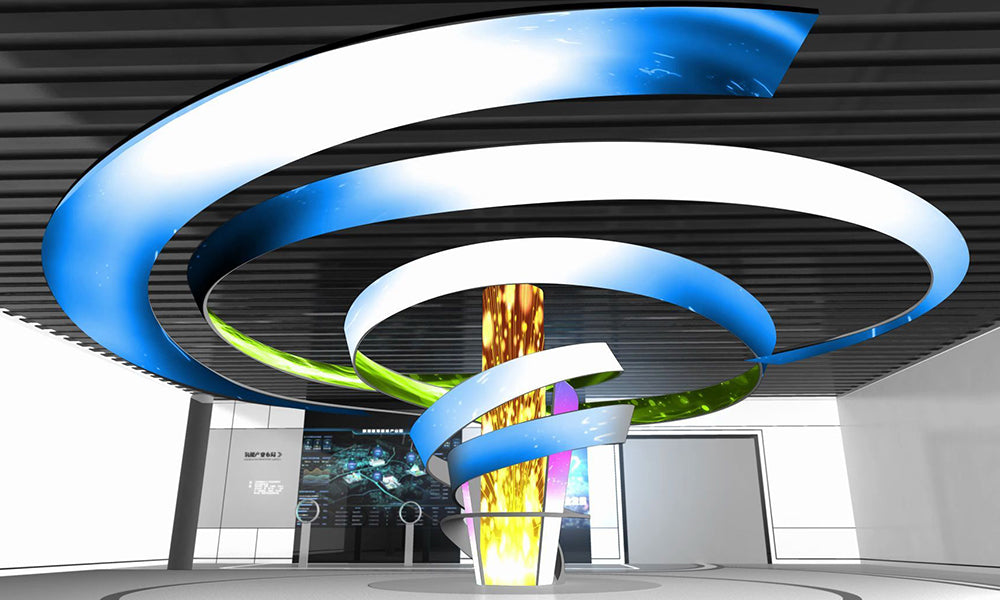
Flexible modules can follow a supported curve. Get the permitted bend direction and minimum radius from the module drawing. A curved physical surface still needs a pixel map: give the content designer a flat canvas drawing showing the location of the seam and the first column of pixels.
4. Compare the complete system cost
Include any separate sending controller, converter, spare module, replacement power supply and control software needed for the proposed layout. For maintenance, record the hardware revisions, save the commissioned configuration and keep a test image that makes missing rows or cropped edges easy to spot.
5. أسئلة مكررة
(1) Does a video processor also send data to LED receiving cards?
An all-in-one controller can provide both functions. A processor with conventional video outputs needs a compatible sending stage downstream.
(2) Can a processor improve low-resolution artwork?
Scaling can enlarge it to fit. For small lettering or line art, prepare the original at the wall’s native pixel dimensions to preserve detail.
(3) Does changing the power supply change the video resolution?
The physical module matrix determines native resolution. The replacement supply must meet the electrical and mechanical requirements of the cabinet.
6. اختتام
Review one cabinet drawing, one source list and one test image together. They give the AV technician, electrical designer and content team a common definition of a correctly working wall.