
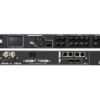
NovaStar VX400 All-in-One LED Video Controller
Original price was: $ 910.00.$ 850.00Current price is: $ 850.00.
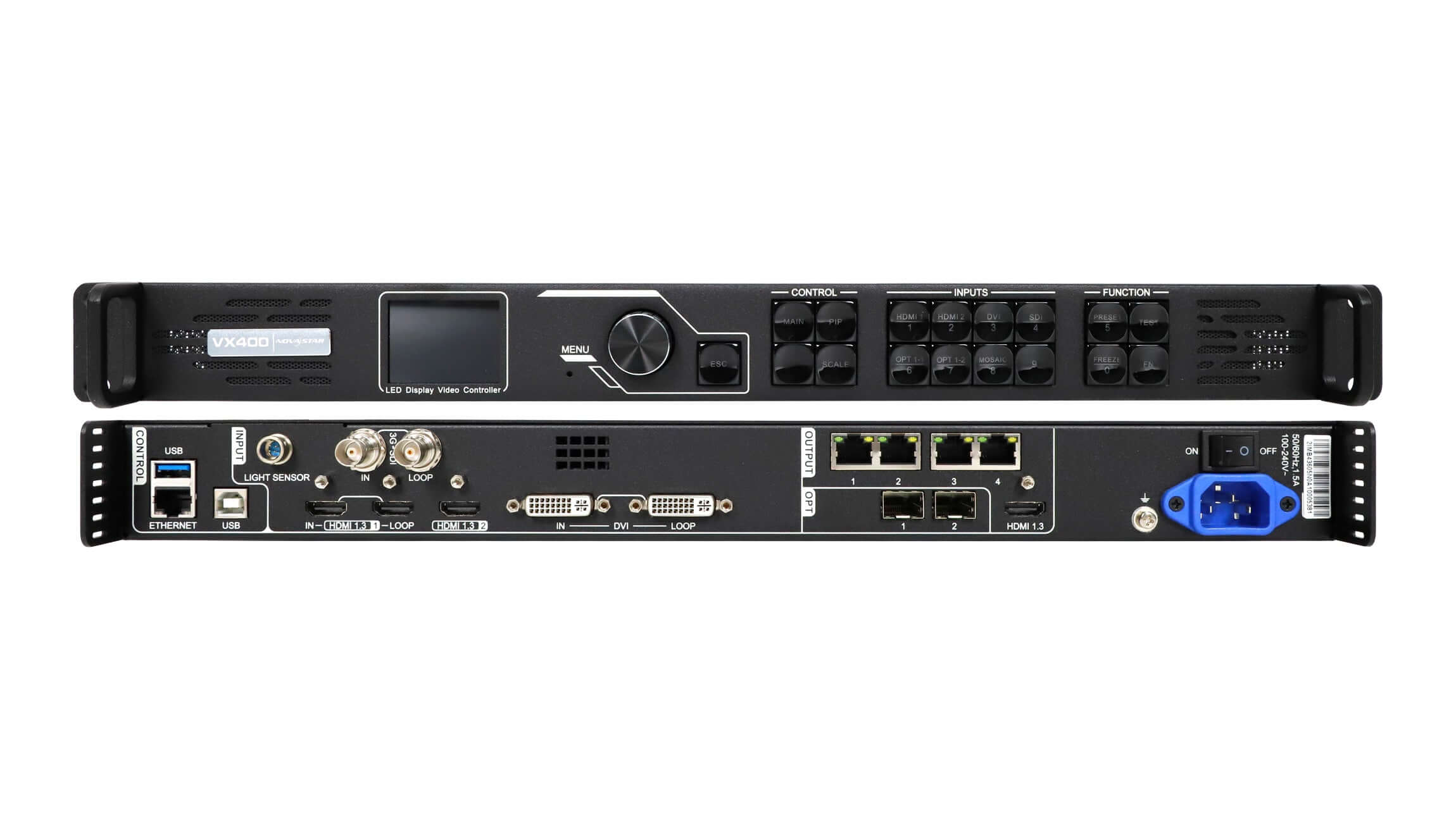
The NovaStar VX400 combines video processing and LED display control, with four LED Ethernet outputs, a published 2.6-million-pixel load and two adjustable layers.
Check V1.0.0 optical-port roles, input formats, mosaic/PIP restrictions and low-latency conditions before planning the system.
1263 in stock
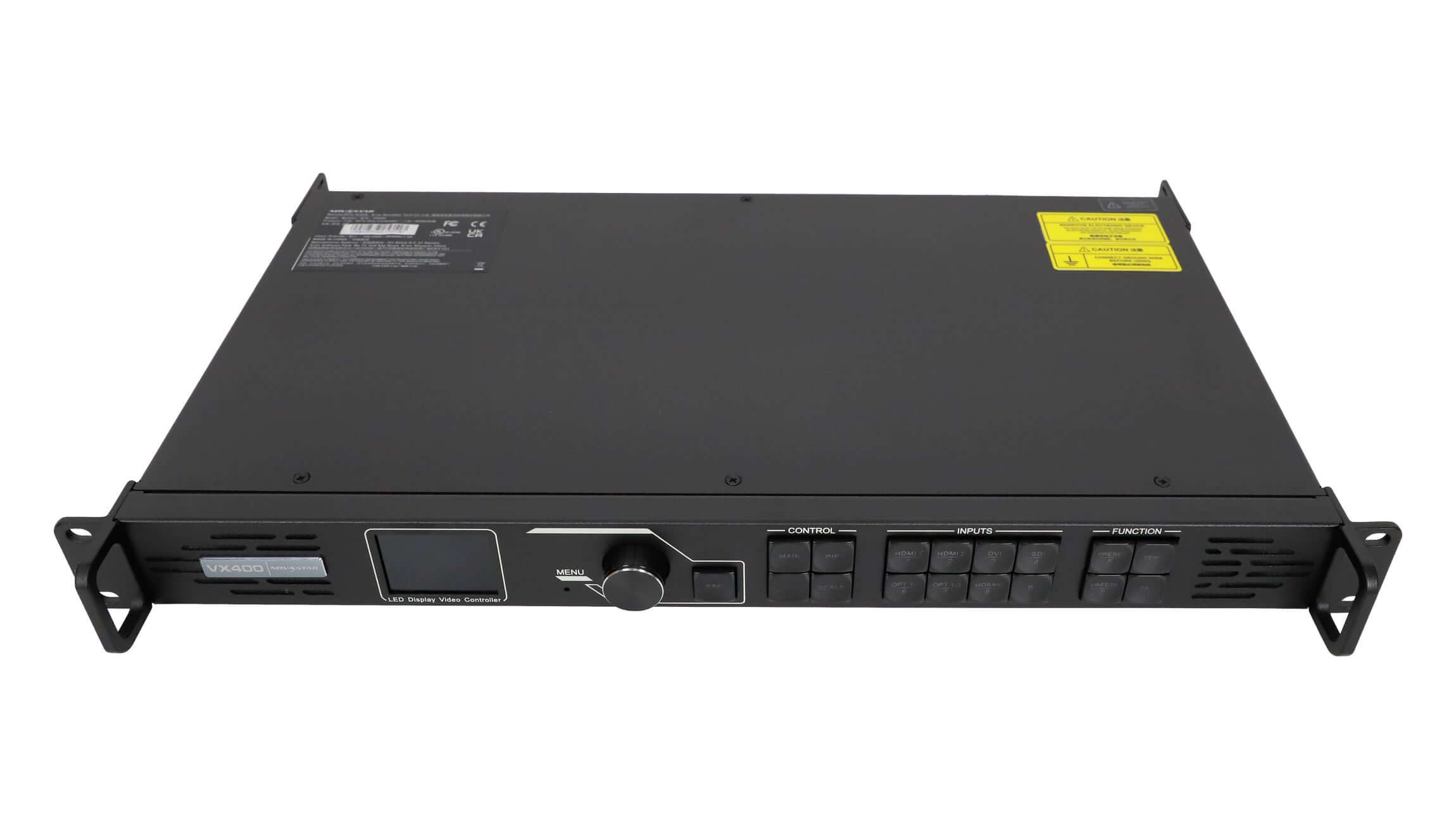
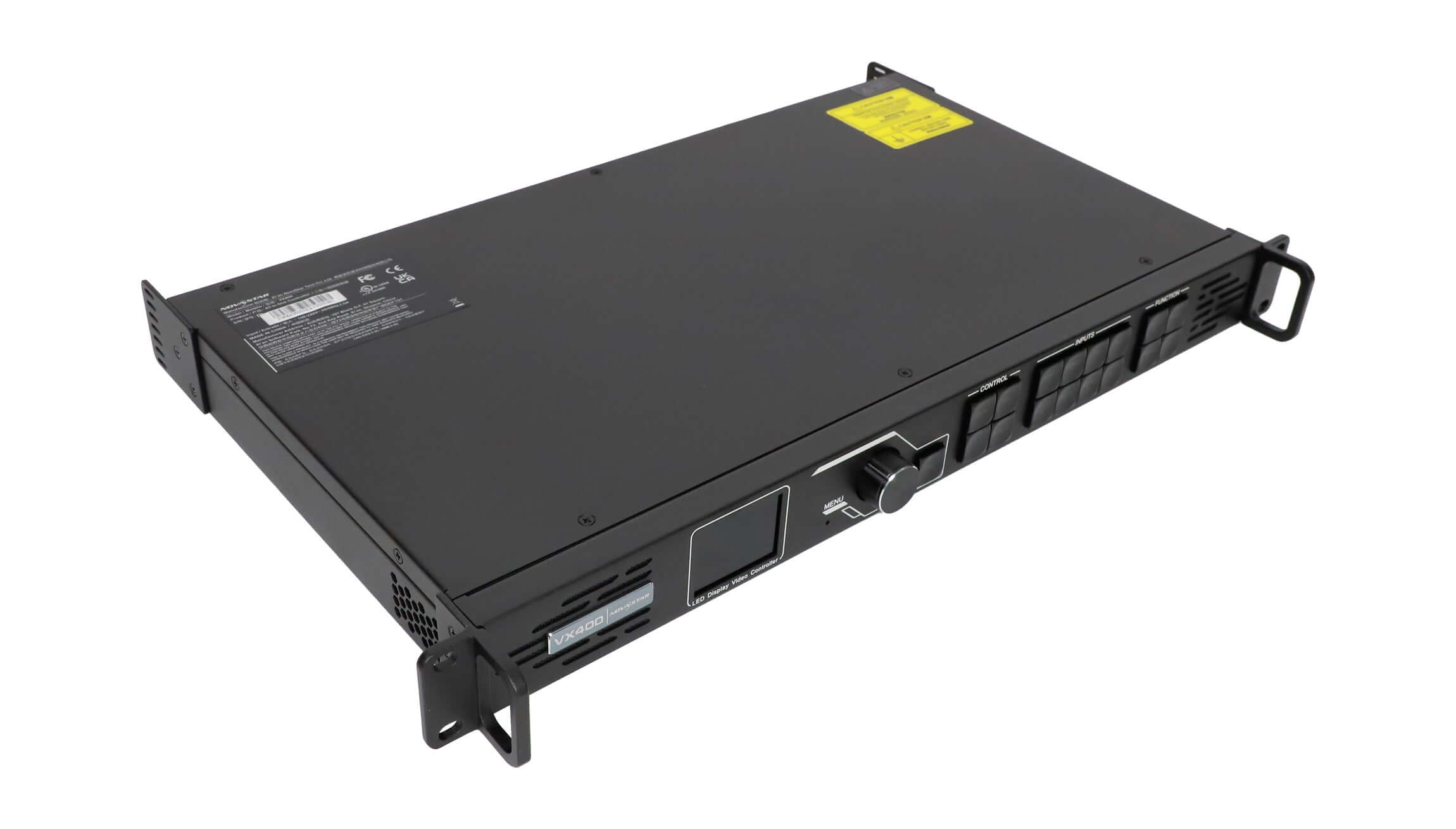
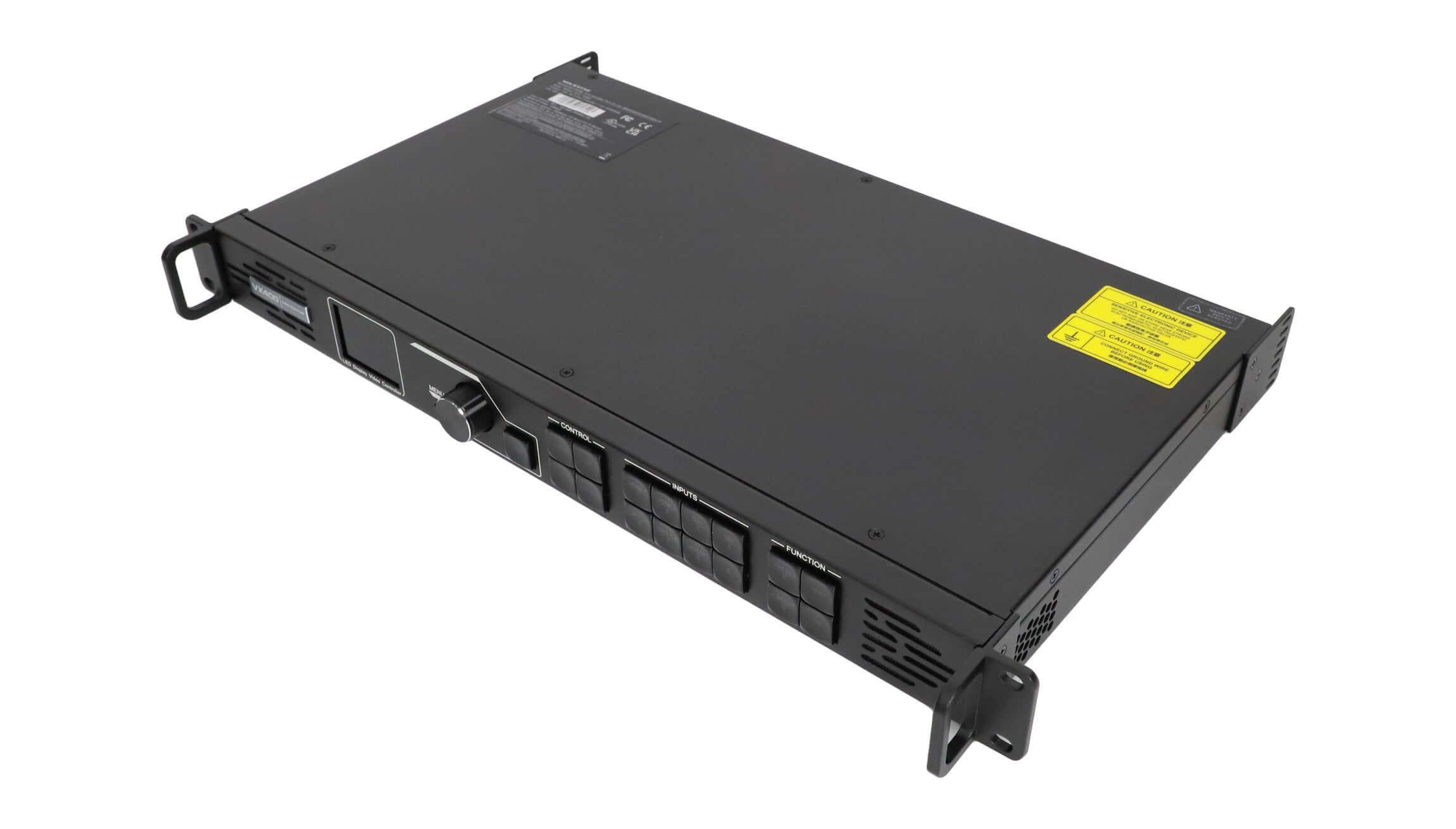
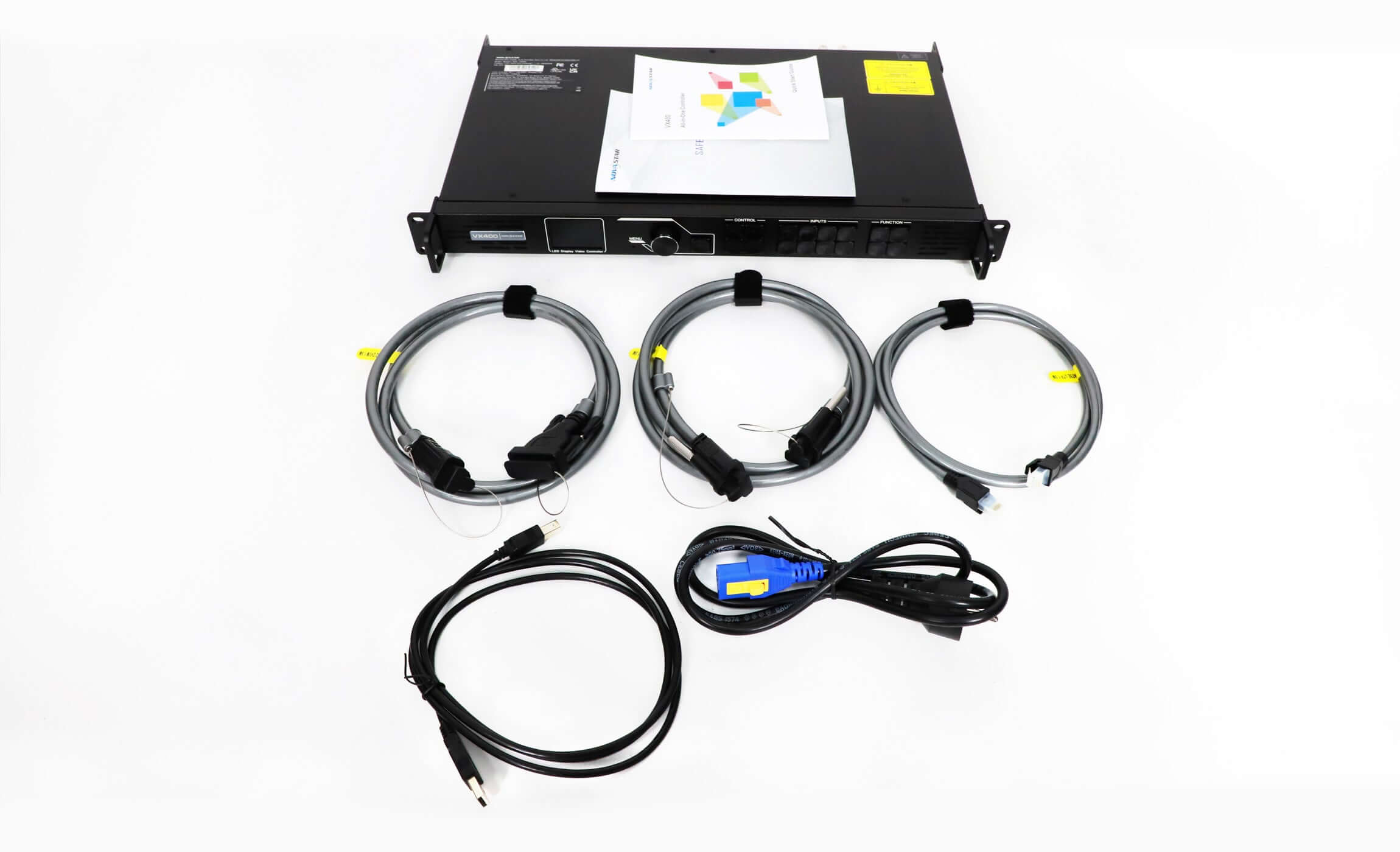
NovaStar VX400 all-in-one LED video controller
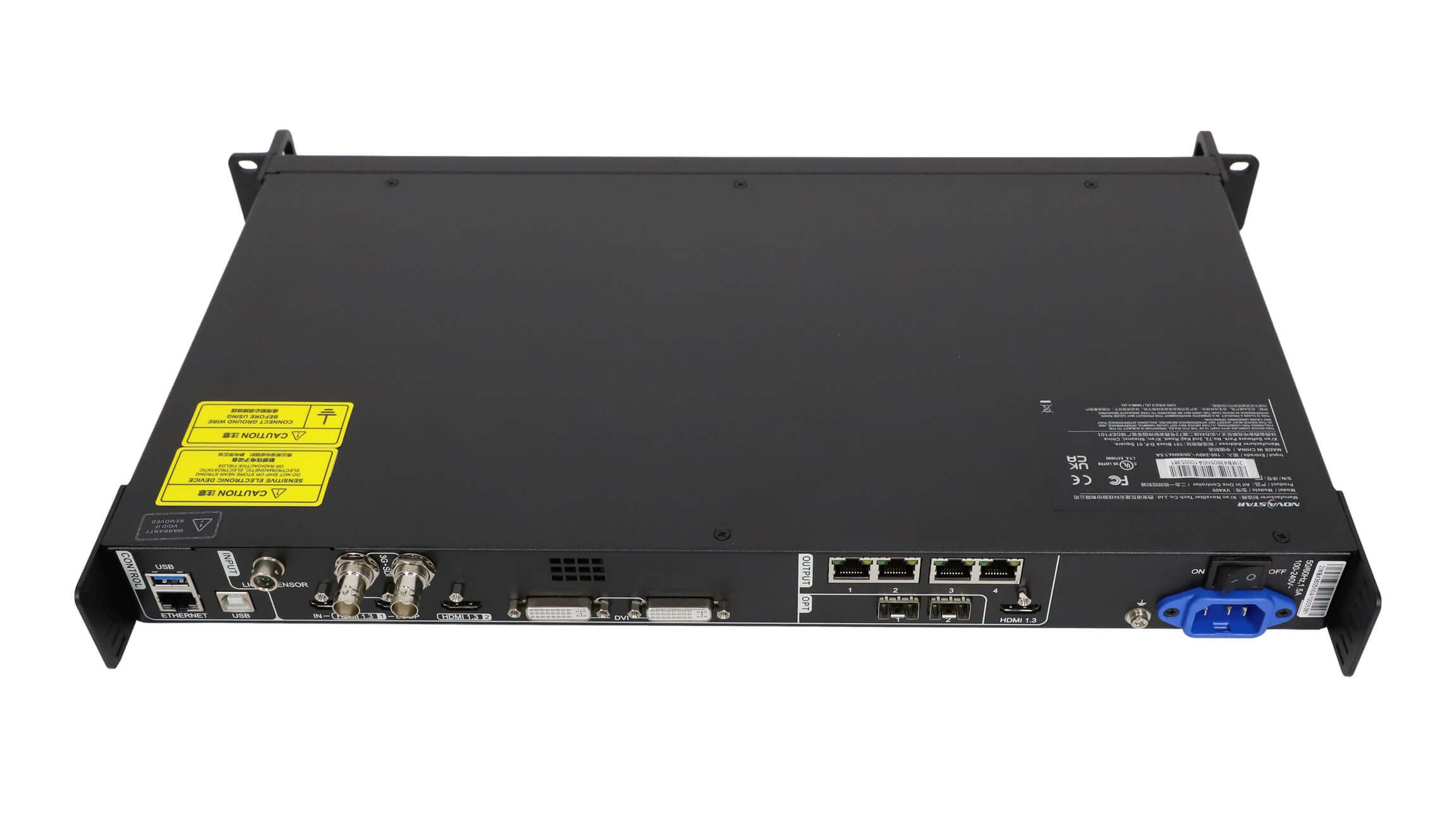
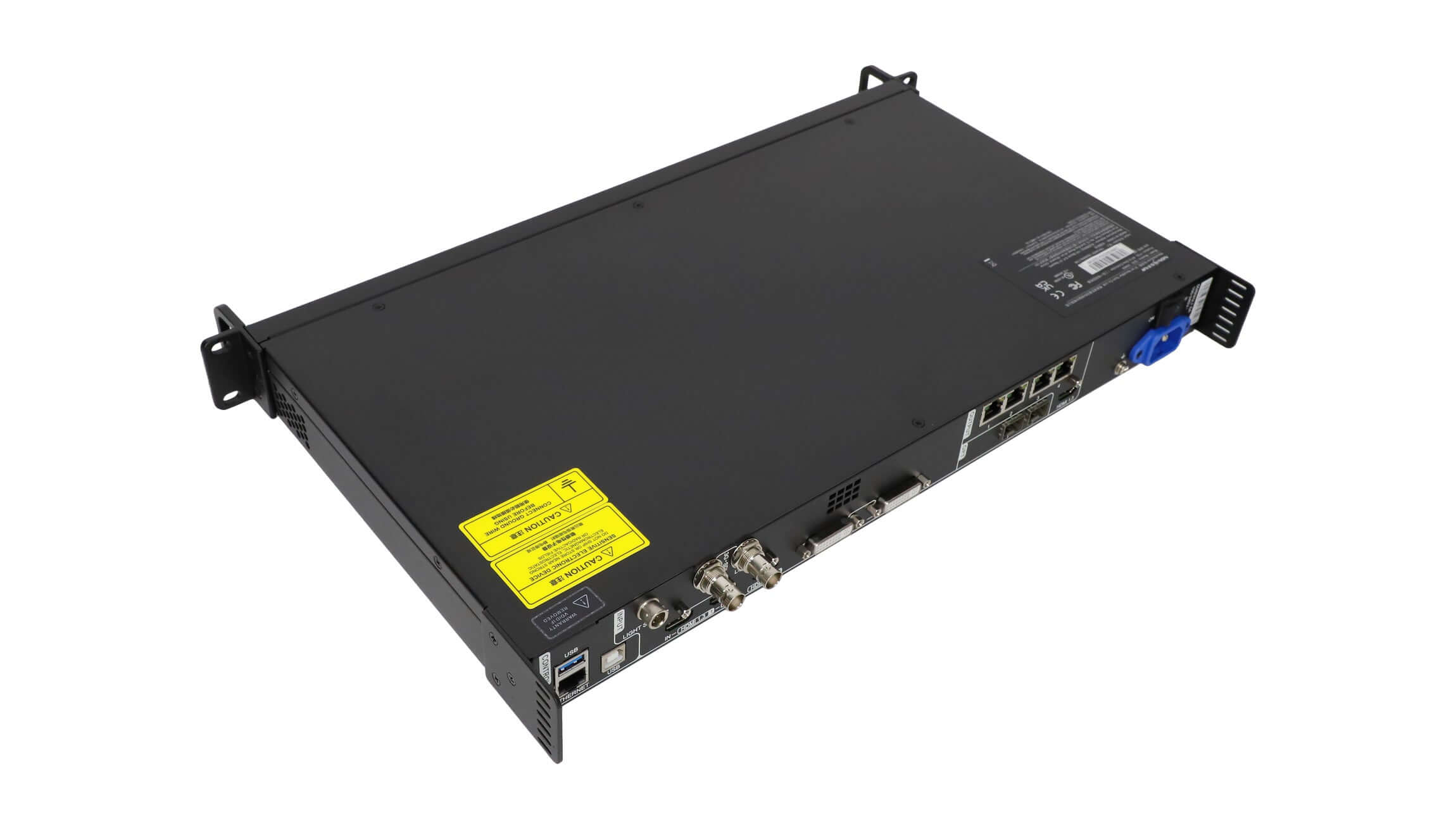
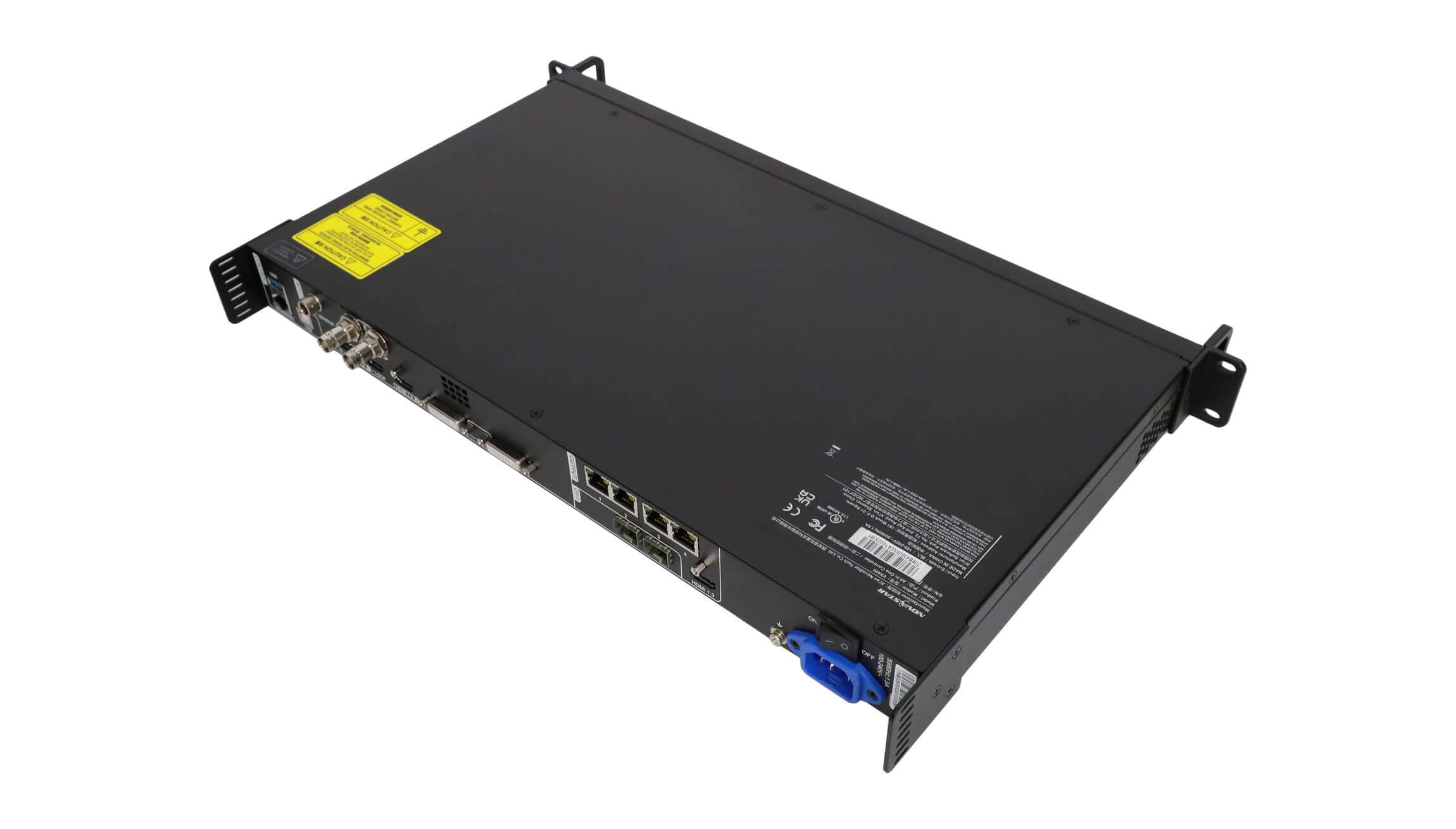
The NovaStar VX400 combines video processing and LED display control, with four Gigabit Ethernet LED outputs and a published total load of 2.6 million pixels. Two HDMI 1.3 inputs, DVI, 3G-SDI and a self-adaptive OPT 1 port provide different source options. Two adjustable layers support main-picture and PIP layouts within the documented operating limits.
This page follows NovaStar’s VX400 All-in-One Controller Specifications V1.0.0, released August 30, 2022. Confirm the exact model, hardware and firmware when comparing it with VX400s, VX400s-N or VX400 Pro.
VX400 specifications and loading limits
| Item | Published specification |
|---|---|
| LED output | 4 Gigabit Ethernet ports; 2.6 million pixels total |
| Maximum output dimensions | 10,240 pixels wide or 8192 pixels high, separately within total loading capacity |
| Layers and presets | 2 adjustable layers; up to 10 user-defined presets |
| Electrical supply | 100–240 V AC, 1.6 A, 50/60 Hz; rated consumption 28 W |
| Operating environment | 0–45 °C (32–113 °F); 20–90% RH, non-condensing |
| Net weight | 4 kg (8.82 lb), per V1.0.0 |
The maximum width and height are independent limits, not a 10,240 × 8192 canvas. A 1920 × 1080 screen contains 2,073,600 pixels, below the nominal total, but its receiving cards, frame rate, bit depth and per-port cabinet map still require review.
Match the signal format and optical-port role
HDMI and DVI standard input timing reaches 1920 × 1200 at 60 Hz in V1.0.0. The source-format table lists 8-bit RGB 4:4:4, YCbCr 4:4:4 and YCbCr 4:2:2; it excludes YCbCr 4:2:0 and 10/12-bit formats. The 3G-SDI input reaches 1920 × 1080 at 60 Hz and supports deinterlacing. HDMI 1.3-1, DVI and SDI each have a loop connection.
OPT 1 changes role according to the connected equipment: it can receive video from a video processor or send output to a fiber converter. OPT 2 is output-only, with copy and backup modes. These optical connections do not increase the controller’s 2.6-million-pixel output budget.
For a mosaic input composed of two 2K × 1K sources through OPT 1, only the main layer can use that mosaic source. V1.0.0 explicitly states that PIP cannot open while the main layer uses it. Confirm the input topology before promising a two-layer presentation.
Low latency, audio and system control
The V1.0.0 low-latency claim is 20 lines from input to receiving card when both low latency and Bypass mode are enabled. It is not an unconditional zero-latency claim for the complete display system. Select the working mode and check the required processing functions before using that figure.
HDMI carries the audio input. When a multifunction card decodes audio from the LED output path, connect it to LED Ethernet port 1 or 2, as specified for this model. Include the decoding card and its routing in the system design.
NovaLCT, V-Can and the front panel are documented control options. The dedicated control Ethernet connection serves a PC or router. USB Type-B supports PC communication and cascade input; Type-A is the cascade output. Automatic brightness adjustment additionally requires an external light sensor.
NovaStar VX400 selection questions
Do the optical ports mean it can drive a full 4K LED wall?
No. Source transport and LED loading are separate limits. A native 3840 × 2160 wall has 8,294,400 pixels, exceeding one VX400’s 2.6-million-pixel capacity. Review the actual canvas and port allocation.
What dimensions should I use for rack planning?
Check the drawing and actual unit before fixing a rack layout. V1.0.0 labels the width as 482.6 mm in its dimension drawing but 483.6 mm in its specifications table. Ask for the applicable mechanical drawing rather than treating that discrepancy as an exact installation dimension.
Can VX400 use PIP while the main layer uses an optical mosaic source?
No. The V1.0.0 specification states that PIP cannot open when the main layer uses the two-source mosaic input through OPT1. Confirm the intended source arrangement before planning both layers.
What should I send for a configuration check?
Provide the full model label, screen resolution, receiving cards, cabinet/port map, source formats and layer requirements. Include optical equipment, audio decoding, backup and latency needs.
Contact EagerLED about a VX400 system or browse LED video controllers against your project requirements.
Reference: NovaStar VX400 Specifications V1.0.0: features on pages 1–2, connections and mosaic restriction on pages 3–5, and dimensions/electrical/video formats on pages 6–7.
| Weight | 10 kg |
|---|
Be the first to review “NovaStar VX400 All-in-One LED Video Controller”
You must be logged in to post a review.
Will I be charged with customs and taxes?
The prices displayed on our site are tax-free (in US Dollars), which means you may be required to pay import duties and taxes once you receive your order. Import taxes, duties, and related customs fees will be determined by your local customs office when your order arrives at its final destination.
Please note that these additional charges and taxes are your responsibility, and we do not take any responsibility for them. We are not liable for paying or reimbursing any customs duties, taxes, or related fees. For more details on these charges, please contact your local customs office.
Shipping
We can ship to virtually any address in the world. Note that there are restrictions on some products, and some products cannot be shipped to international destinations..
When you place an order, we will estimate shipping and delivery dates for you based on the availability of your items and the shipping options you choose. Depending on the shipping provider you choose, shipping date estimates may appear on the shipping quotes page.
Please also note that the shipping rates for many items we sell are weight-based. The weight of any such item can be found on its detail page. To reflect the policies of the shipping companies we use, all weights will be rounded up to the next full pound..
Returns Policy
You may return most new, unopened items within 30 days of delivery for a full refund. We'll also pay the return shipping costs if the return is a result of our error (you received an incorrect or defective item, etc.)..
You should expect to receive your refund within four weeks of giving your package to the return shipper, however, in many cases you will receive a refund more quickly. This time period includes the transit time for us to receive your return from the shipper (5 to 10 business days), the time it takes us to process your return once we receive it (3 to 5 business days), and the time it takes your bank to process our refund request (5 to 10 business days).
If you need to return an item, simply login to your account, view the order using the "Complete Orders" link under the My Account menu and click the Return Item(s) button. We'll notify you via e-mail of your refund once we've received and processed the returned item..
Related products
Reviews
There are no reviews yet.